
Bardot top
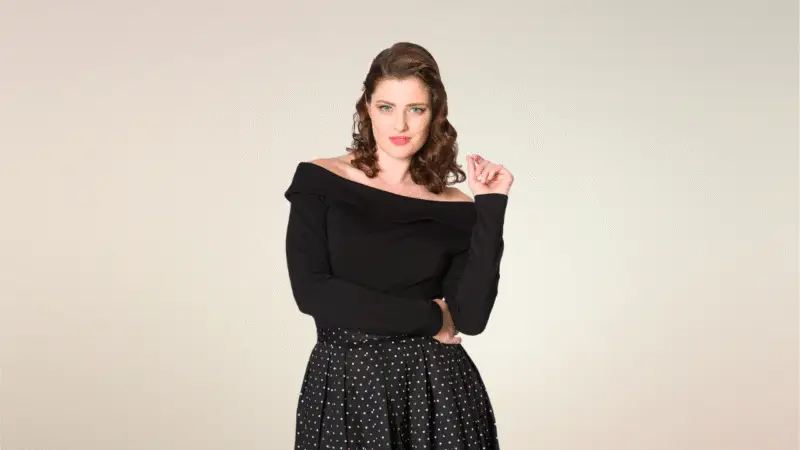
When and where was this item first created, and what practical purpose did it serve?
The Bardot top emerged in 1956 when French actress Brigitte Bardot wore an off-shoulder peasant blouse in the film “And God Created Woman. ” This simple garment transformed from Mediterranean folk wear into international fashion sensation overnight. Originally called a “peasant blouse” or “gypsy top,” the style drew from traditional Provençal women’s clothing worn by farmers and fishermen’s wives along the French Riviera.
These working women needed garments that allowed shoulder movement while maintaining modesty through loose, flowing fabric. The off-shoulder design provided ventilation in Mediterranean heat while the elastic neckline stayed securely in place during physical labor. Bardot’s stylist adapted this practical garment for cinema, recognizing its sensual appeal when worn by someone with Bardot’s confidence and natural beauty.
The timing proved perfect as post-war society craved escapist glamour and European sophistication. What started as functional workwear became the symbol of effortless French sensuality, launching a fashion revolution that made off-shoulder tops synonymous with feminine allure and Continental charm.
These working women needed garments that allowed shoulder movement while maintaining modesty through loose, flowing fabric. The off-shoulder design provided ventilation in Mediterranean heat while the elastic neckline stayed securely in place during physical labor. Bardot’s stylist adapted this practical garment for cinema, recognizing its sensual appeal when worn by someone with Bardot’s confidence and natural beauty.
The timing proved perfect as post-war society craved escapist glamour and European sophistication. What started as functional workwear became the symbol of effortless French sensuality, launching a fashion revolution that made off-shoulder tops synonymous with feminine allure and Continental charm.
What are the key design features and construction methods of this item?
The authentic Bardot top features a straight-cut neckline that sits just below the collarbone, designed to slip off both shoulders simultaneously. The elastic neckline uses shirred gathering or smocked elastic bands that create gentle ruffling across the chest and back. Traditional construction employs lightweight cotton, cotton voile, or linen fabrics that drape softly without stiffness.
The silhouette remains loose through the torso with slight gathering at the waist or hip, creating an effortless, unfitted appearance. Sleeve styles vary from completely sleeveless to short, gathered sleeves that extend just past the shoulder line. The neckline construction typically features a casing for elastic thread or narrow elastic band, hand-stitched to maintain flexibility.
Many authentic pieces include decorative elements like eyelet embroidery, small ruffles, or delicate lace trim along the neckline edge. The fabric weight must be substantial enough to maintain structure while remaining lightweight enough to create the characteristic soft draping. Quality versions avoid synthetic fabrics that create stiffness or unnatural shine.
The silhouette remains loose through the torso with slight gathering at the waist or hip, creating an effortless, unfitted appearance. Sleeve styles vary from completely sleeveless to short, gathered sleeves that extend just past the shoulder line. The neckline construction typically features a casing for elastic thread or narrow elastic band, hand-stitched to maintain flexibility.
Many authentic pieces include decorative elements like eyelet embroidery, small ruffles, or delicate lace trim along the neckline edge. The fabric weight must be substantial enough to maintain structure while remaining lightweight enough to create the characteristic soft draping. Quality versions avoid synthetic fabrics that create stiffness or unnatural shine.
What cultural movements and social contexts featured this item?
The Bardot top became central to the emerging pin-up culture and European art house cinema movement of the 1950s. Brigitte Bardot’s portrayal of uninhibited sexuality in French New Wave films made the off-shoulder top a symbol of liberated femininity that challenged conservative post-war fashion norms. The style represented a dramatic shift from the structured, formal clothing that dominated the early 1950s, offering women a way to appear both modest and sensual.
French Riviera culture embraced the top as part of a broader Mediterranean lifestyle aesthetic that valued natural beauty and relaxed elegance over American-style glamour. The garment became associated with artistic bohemian communities in Saint-Tropez and Cannes, where intellectuals and film personalities gathered. European fashion magazines promoted the style as representing authentic Continental sophistication versus manufactured Hollywood glamour.
By 1958, the top had crossed into mainstream American culture through fashion magazines and department store knockoffs. The style influenced the broader movement toward casual luxury and vacation-inspired fashion that would define much of late 1950s style. It represented women’s growing desire for clothing that suggested both accessibility and allure.
French Riviera culture embraced the top as part of a broader Mediterranean lifestyle aesthetic that valued natural beauty and relaxed elegance over American-style glamour. The garment became associated with artistic bohemian communities in Saint-Tropez and Cannes, where intellectuals and film personalities gathered. European fashion magazines promoted the style as representing authentic Continental sophistication versus manufactured Hollywood glamour.
By 1958, the top had crossed into mainstream American culture through fashion magazines and department store knockoffs. The style influenced the broader movement toward casual luxury and vacation-inspired fashion that would define much of late 1950s style. It represented women’s growing desire for clothing that suggested both accessibility and allure.
Is this item still produced today, and how has it evolved over time?
Contemporary fashion continues producing Bardot-inspired tops, though modern versions often differ significantly from 1950s originals. Current interpretations frequently feature synthetic fabrics, structured shoulders, and fitted silhouettes that contradict the original’s relaxed draping. Many modern versions use spandex blends or polyester fabrics that create artificial stretch and unnatural shine absent from vintage cotton and linen pieces.
The neckline construction has evolved to include underwire support, built-in bras, or rigid boning that eliminates the soft, natural draping characteristic of authentic Bardot tops. Contemporary fast fashion versions often feature machine-sewn elastic casings instead of hand-gathered smocking, creating harsher lines and less flexibility. However, luxury fashion houses occasionally produce faithful reproductions using period-appropriate fabrics and construction techniques.
High-end designers like Isabel Marant and Zimmermann have created collections specifically referencing authentic 1950s Bardot styling with proper fabric weights and construction methods. The style experiences cyclical popularity, particularly during summer seasons and in resort wear collections. Modern interpretations often incorporate contemporary elements like cropped lengths, bold prints, or structured shoulders that would have been foreign to the original aesthetic.
The neckline construction has evolved to include underwire support, built-in bras, or rigid boning that eliminates the soft, natural draping characteristic of authentic Bardot tops. Contemporary fast fashion versions often feature machine-sewn elastic casings instead of hand-gathered smocking, creating harsher lines and less flexibility. However, luxury fashion houses occasionally produce faithful reproductions using period-appropriate fabrics and construction techniques.
High-end designers like Isabel Marant and Zimmermann have created collections specifically referencing authentic 1950s Bardot styling with proper fabric weights and construction methods. The style experiences cyclical popularity, particularly during summer seasons and in resort wear collections. Modern interpretations often incorporate contemporary elements like cropped lengths, bold prints, or structured shoulders that would have been foreign to the original aesthetic.
How do you identify authentic vintage versions of this item?
Authentic vintage Bardot tops feature specific construction details that distinguish them from modern reproductions. Original pieces use natural fiber fabrics exclusively, particularly cotton voile, cotton batiste, or lightweight linen that develops characteristic softening and slight yellowing with age. The elastic neckline construction employs multiple rows of shirring thread or narrow elastic bands hand-stitched into fabric casings, creating organic gathering rather than mechanical pleating.
Vintage pieces show specific aging patterns including gentle fading along shoulder lines where sun exposure occurred, soft fabric pills consistent with natural fiber wear, and slight stretching in the elastic areas. Original labels often feature French or Italian manufacturer marks from companies like Cacharel, Brigitte Bardot’s own fashion line, or small Mediterranean boutique brands. The stitching quality reflects 1950s construction standards with hand-finished seams, French seams on better pieces, and cotton thread that ages to match the fabric color.
Authentic pieces maintain loose, unconstructed silhouettes that never appear fitted or structured through the torso. The neckline sits naturally without requiring constant adjustment, indicating properly calibrated elastic tension. Modern reproductions typically feature synthetic fabrics, machine-sewn elastic casings, and proportions designed for contemporary body shapes rather than 1950s sizing standards.
Vintage pieces show specific aging patterns including gentle fading along shoulder lines where sun exposure occurred, soft fabric pills consistent with natural fiber wear, and slight stretching in the elastic areas. Original labels often feature French or Italian manufacturer marks from companies like Cacharel, Brigitte Bardot’s own fashion line, or small Mediterranean boutique brands. The stitching quality reflects 1950s construction standards with hand-finished seams, French seams on better pieces, and cotton thread that ages to match the fabric color.
Authentic pieces maintain loose, unconstructed silhouettes that never appear fitted or structured through the torso. The neckline sits naturally without requiring constant adjustment, indicating properly calibrated elastic tension. Modern reproductions typically feature synthetic fabrics, machine-sewn elastic casings, and proportions designed for contemporary body shapes rather than 1950s sizing standards.