Petal dress

When and where was this item first created, and what practical purpose did it serve?
The petal dress emerged in the early 1960s as part of the youth fashion revolution centered in London’s boutique scene. Mary Quant is credited with creating the first commercial versions around 1962, inspired by the layered petals of flowers she observed in her Chelsea garden. The dress served a practical purpose beyond its aesthetic appeal, offering young women a sophisticated alternative to the restrictive fashions their mothers wore.
The overlapping fabric panels created movement and flow while maintaining modesty, making it perfect for the energetic dancing popular in London’s nightclub scene. The design addressed the need for garments that looked mature enough for work yet remained youthful for evening entertainment. Early versions were constructed with lightweight fabrics that moved gracefully, reflecting the optimistic, flower-power mentality emerging in youth culture.
The petal dress represented a departure from the structured silhouettes of the 1950s, embracing organic shapes that mirrored nature’s forms. This innovation coincided with the growing environmental awareness and return-to-nature movements that would define the decade’s social consciousness.
The overlapping fabric panels created movement and flow while maintaining modesty, making it perfect for the energetic dancing popular in London’s nightclub scene. The design addressed the need for garments that looked mature enough for work yet remained youthful for evening entertainment. Early versions were constructed with lightweight fabrics that moved gracefully, reflecting the optimistic, flower-power mentality emerging in youth culture.
The petal dress represented a departure from the structured silhouettes of the 1950s, embracing organic shapes that mirrored nature’s forms. This innovation coincided with the growing environmental awareness and return-to-nature movements that would define the decade’s social consciousness.
What are the key design features and construction methods of this item?
The petal dress features overlapping fabric panels cut in curved or scalloped shapes that resemble flower petals. These panels are typically arranged in tiers, creating a layered effect that adds dimension and movement to the garment. The construction requires precise pattern-making, as each petal must be cut to specific measurements to ensure proper overlap and drape.
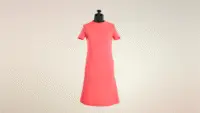
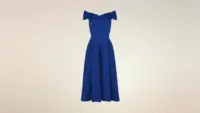
The dress usually features a fitted bodice that transitions into the petal skirt, which falls anywhere from mid-thigh to knee-length. Seaming techniques involve French seams or bound edges to prevent fraying on the delicate curved edges. The neckline varies from high crew necks to boat necks, maintaining the dress’s sophisticated appearance.
Sleeves, when present, are typically short and fitted, though sleeveless versions became more popular. The construction method involves attaching each petal layer to an underlying foundation, creating structure while allowing movement. Zippers are concealed at the side or back, maintaining clean lines.
Quality versions feature hand-finished hems on each petal, while mass-produced versions use machine hemming. The overall silhouette emphasizes the waist while creating an A-line or fit-and-flare shape through the layered skirt construction.
The dress usually features a fitted bodice that transitions into the petal skirt, which falls anywhere from mid-thigh to knee-length. Seaming techniques involve French seams or bound edges to prevent fraying on the delicate curved edges. The neckline varies from high crew necks to boat necks, maintaining the dress’s sophisticated appearance.
Sleeves, when present, are typically short and fitted, though sleeveless versions became more popular. The construction method involves attaching each petal layer to an underlying foundation, creating structure while allowing movement. Zippers are concealed at the side or back, maintaining clean lines.
Quality versions feature hand-finished hems on each petal, while mass-produced versions use machine hemming. The overall silhouette emphasizes the waist while creating an A-line or fit-and-flare shape through the layered skirt construction.
What cultural movements and social contexts featured this item?
The petal dress became emblematic of the Mod movement, representing the sophisticated rebellion of young London women in the mid-1960s. It appeared prominently in fashion magazines like Vogue and Harper’s Bazaar, worn by models like Twiggy and Penelope Tree who embodied the new youth aesthetic. The dress found favor among the emerging class of working women who needed versatile garments for their newly independent lifestyles.
It became a staple in the wardrobes of shop girls, secretaries, and art students who frequented London’s King’s Road and Carnaby Street boutiques. The petal dress represented the democratization of high fashion, as boutique versions made sophisticated design accessible to middle-class consumers. It featured prominently in the 1967 film “Blow-Up,” worn by Vanessa Redgrave, cementing its association with London’s swinging scene.
The dress also gained popularity among American college students who embraced its youthful sophistication. Fashion photographers like David Bailey and Terence Donovan frequently featured petal dresses in their work, associating them with the artistic and musical communities of the era. The garment embodied the optimistic, forward-thinking spirit of the decade’s youth culture.
It became a staple in the wardrobes of shop girls, secretaries, and art students who frequented London’s King’s Road and Carnaby Street boutiques. The petal dress represented the democratization of high fashion, as boutique versions made sophisticated design accessible to middle-class consumers. It featured prominently in the 1967 film “Blow-Up,” worn by Vanessa Redgrave, cementing its association with London’s swinging scene.
The dress also gained popularity among American college students who embraced its youthful sophistication. Fashion photographers like David Bailey and Terence Donovan frequently featured petal dresses in their work, associating them with the artistic and musical communities of the era. The garment embodied the optimistic, forward-thinking spirit of the decade’s youth culture.
Is this item still produced today, and how has it evolved over time?
Modern fashion designers continue to reference the petal dress, with contemporary versions appearing in collections from brands like Valentino, Marc Jacobs, and Simone Rocha. Current interpretations often feature updated proportions, with longer lengths and modified petal shapes to suit contemporary tastes. The construction techniques have evolved to include laser-cutting technology for precise petal edges, though high-end versions still employ traditional hand-finishing methods.
Contemporary petal dresses incorporate stretch fabrics and modern undergarments, improving fit and comfort compared to their 1960s predecessors. The dress appears regularly on red carpets and in bridal collections, where the romantic petal motif resonates with modern consumers. Fast fashion retailers produce simplified versions using synthetic fabrics and simplified construction methods, making the style accessible to budget-conscious shoppers.
Sustainable fashion brands have embraced the petal dress as a timeless design worth preserving, creating versions from recycled and organic materials. The dress has also found new life in costume design for period films and television shows set in the 1960s. Digital pattern-making has made it easier for home sewers to recreate authentic petal dress designs using online tutorials and downloadable patterns.
Contemporary petal dresses incorporate stretch fabrics and modern undergarments, improving fit and comfort compared to their 1960s predecessors. The dress appears regularly on red carpets and in bridal collections, where the romantic petal motif resonates with modern consumers. Fast fashion retailers produce simplified versions using synthetic fabrics and simplified construction methods, making the style accessible to budget-conscious shoppers.
Sustainable fashion brands have embraced the petal dress as a timeless design worth preserving, creating versions from recycled and organic materials. The dress has also found new life in costume design for period films and television shows set in the 1960s. Digital pattern-making has made it easier for home sewers to recreate authentic petal dress designs using online tutorials and downloadable patterns.
How do you identify authentic vintage versions of this item?
Authentic vintage petal dresses from the 1960s feature specific construction details that distinguish them from modern reproductions. Original garments use period-appropriate fabrics like wool crepe, silk shantung, or cotton pique, which develop characteristic aging patterns including slight fading and fabric relaxation over time. The zippers are metal, typically Talon or Crown brands, with distinctive pull shapes and oxidation patterns.
Authentic pieces show hand-finished details like bound buttonholes, hand-sewn hems on individual petals, and French seams throughout the construction. Labels from this period include Mary Quant, Biba, or smaller London boutique names often printed on woven cotton tape. The proportions reflect 1960s sizing standards, with higher armholes, narrower shoulders, and shorter overall lengths compared to modern interpretations.
Authentic pieces display specific wear patterns where the petal layers naturally rub against each other, creating subtle fabric wear along the edges. The underlying foundation fabric shows period-appropriate interfacing materials, often cotton-based rather than synthetic alternatives. Color palettes authentic to the era include specific shades like burnt orange, olive green, and particular blues that reflect period dye technologies and color preferences of the Mod movement.
Authentic pieces show hand-finished details like bound buttonholes, hand-sewn hems on individual petals, and French seams throughout the construction. Labels from this period include Mary Quant, Biba, or smaller London boutique names often printed on woven cotton tape. The proportions reflect 1960s sizing standards, with higher armholes, narrower shoulders, and shorter overall lengths compared to modern interpretations.
Authentic pieces display specific wear patterns where the petal layers naturally rub against each other, creating subtle fabric wear along the edges. The underlying foundation fabric shows period-appropriate interfacing materials, often cotton-based rather than synthetic alternatives. Color palettes authentic to the era include specific shades like burnt orange, olive green, and particular blues that reflect period dye technologies and color preferences of the Mod movement.