
Aviator jacket
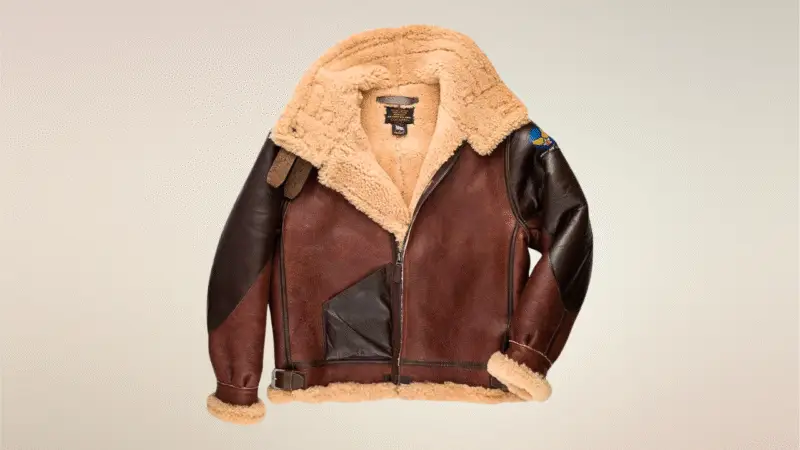
When and where was this item first created, and what practical purpose did it serve?
The aviator jacket emerged from the United States Army Air Forces during World War I around 1917. Military pilots faced extreme cold at high altitudes in open cockpits. Standard wool uniforms proved inadequate against freezing temperatures and wind.
The A-1 jacket became the first official flight jacket in 1927, followed by the iconic A-2 in 1931. These jackets served a critical survival function, protecting pilots during combat missions over Europe and the Pacific. The original design prioritized warmth and mobility over appearance.
Early aviator jackets featured horsehide construction because it offered superior durability and wind resistance compared to other leathers available. The knitted cuffs and waistband created essential seals against cold air infiltration. Military contractors like Aero Leather Company and Cooper Sportswear manufactured these jackets under strict specifications.
Each jacket was issued to individual pilots and became deeply personal gear. The practical design included minimal hardware to prevent snagging on aircraft controls. This functional approach created the template for all future aviator jacket designs.
The A-1 jacket became the first official flight jacket in 1927, followed by the iconic A-2 in 1931. These jackets served a critical survival function, protecting pilots during combat missions over Europe and the Pacific. The original design prioritized warmth and mobility over appearance.
Early aviator jackets featured horsehide construction because it offered superior durability and wind resistance compared to other leathers available. The knitted cuffs and waistband created essential seals against cold air infiltration. Military contractors like Aero Leather Company and Cooper Sportswear manufactured these jackets under strict specifications.
Each jacket was issued to individual pilots and became deeply personal gear. The practical design included minimal hardware to prevent snagging on aircraft controls. This functional approach created the template for all future aviator jacket designs.
What are the key design features and construction methods of this item?
Authentic aviator jackets feature distinctive construction elements that reflect their military heritage. The front zip closure uses heavy-duty metal zippers, typically manufactured by Talon or Crown during the original period. Two chest pockets with snap closures provide secure storage without bulk.
The collar design varies between the A-1’s shirt-style collar and the A-2’s more streamlined version. Interior pockets often include a map pocket and sometimes a pen holder. The jacket’s cut allows full arm movement while maintaining a trim silhouette.
Shoulder construction includes reinforced stress points to handle pilot gear. The leather treatment involves vegetable tanning processes that create characteristic aging patterns. Stitching uses heavy cotton thread in straight seams with minimal decorative elements.
Hardware consists of brass or nickel-plated snaps and rivets. The lining typically features cotton or rayon materials in military-appropriate colors. Construction techniques emphasize durability over fashion considerations, with double-stitched seams at wear points.
The collar design varies between the A-1’s shirt-style collar and the A-2’s more streamlined version. Interior pockets often include a map pocket and sometimes a pen holder. The jacket’s cut allows full arm movement while maintaining a trim silhouette.
Shoulder construction includes reinforced stress points to handle pilot gear. The leather treatment involves vegetable tanning processes that create characteristic aging patterns. Stitching uses heavy cotton thread in straight seams with minimal decorative elements.
Hardware consists of brass or nickel-plated snaps and rivets. The lining typically features cotton or rayon materials in military-appropriate colors. Construction techniques emphasize durability over fashion considerations, with double-stitched seams at wear points.
What cultural movements and social contexts featured this item?
The aviator jacket became central to military culture during World War II when thousands of pilots wore them in combat. Squadron patches and nose art personalized these utilitarian garments, transforming them into individual statements. Hollywood embraced the aviator jacket after the war through films featuring returning veterans.
Movies like “Twelve O’Clock High” showcased the jacket’s heroic associations. The Beat Generation adopted aviator jackets as symbols of rebellion against conformity during the 1950s. Rock and roll musicians integrated them into emerging youth culture aesthetics.
Marlon Brando’s performances connected aviator jackets with dangerous masculinity and nonconformist attitudes. The civil rights movement saw some activists wearing military surplus aviator jackets as statements of American identity. Cold War tensions maintained the jacket’s association with American military might and technological superiority.
Fashion designers began incorporating aviator elements into civilian collections during the late 1940s. The jacket represented both military service and emerging youth rebellion, creating complex cultural meanings that persist today.
Movies like “Twelve O’Clock High” showcased the jacket’s heroic associations. The Beat Generation adopted aviator jackets as symbols of rebellion against conformity during the 1950s. Rock and roll musicians integrated them into emerging youth culture aesthetics.
Marlon Brando’s performances connected aviator jackets with dangerous masculinity and nonconformist attitudes. The civil rights movement saw some activists wearing military surplus aviator jackets as statements of American identity. Cold War tensions maintained the jacket’s association with American military might and technological superiority.
Fashion designers began incorporating aviator elements into civilian collections during the late 1940s. The jacket represented both military service and emerging youth rebellion, creating complex cultural meanings that persist today.
Is this item still produced today, and how has it evolved over time?
Modern aviator jackets continue production through both military contractors and fashion brands. Contemporary versions maintain the basic silhouette while incorporating modern materials like synthetic leathers and technical fabrics. Luxury fashion houses produce high-end interpretations using premium leathers and updated hardware.
Military surplus stores still sell authentic vintage examples alongside reproduction models. The bomber jacket evolved from aviator designs, becoming a distinct category with different proportions and features. Modern flight suits have largely replaced leather jackets in actual military aviation due to safety regulations and synthetic material advantages.
Fashion brands regularly reference aviator styling in seasonal collections, adapting the design for contemporary tastes. Motorcycle culture has maintained strong connections to aviator jacket aesthetics and construction methods. Street fashion continues incorporating aviator elements into urban styling approaches.
Technical outerwear companies produce performance versions for extreme weather conditions. The basic design template remains influential across multiple fashion categories, from luxury goods to mass market clothing.
Military surplus stores still sell authentic vintage examples alongside reproduction models. The bomber jacket evolved from aviator designs, becoming a distinct category with different proportions and features. Modern flight suits have largely replaced leather jackets in actual military aviation due to safety regulations and synthetic material advantages.
Fashion brands regularly reference aviator styling in seasonal collections, adapting the design for contemporary tastes. Motorcycle culture has maintained strong connections to aviator jacket aesthetics and construction methods. Street fashion continues incorporating aviator elements into urban styling approaches.
Technical outerwear companies produce performance versions for extreme weather conditions. The basic design template remains influential across multiple fashion categories, from luxury goods to mass market clothing.
How do you identify authentic vintage versions of this item?
Authentic vintage aviator jackets require careful examination of specific construction details and materials. Original horsehide develops a distinctive patina with age, showing natural grain patterns and wear marks from use. Government contract labels include manufacturer information, specification numbers, and military acceptance stamps.
Period zippers show proper manufacturer markings like Talon or Crown with appropriate date codes for the jacket’s production era. Stitching patterns follow military specifications with precise seam allowances and thread weights. Authentic aging appears in logical wear areas including cuffs, collar edges, and pocket fronts.
Original hardware shows appropriate tarnishing or wear patterns consistent with age. Interior linings display period-correct materials and construction techniques without modern synthetic components. Size tags follow military sizing systems rather than commercial clothing measurements.
Leather thickness and treatment reflect wartime material standards and processing methods. Reproduction jackets often use modern leather treatments that lack authentic aging characteristics. Original examples show battle damage, repair patches, or squadron modifications that add historical provenance and collector value.
Period zippers show proper manufacturer markings like Talon or Crown with appropriate date codes for the jacket’s production era. Stitching patterns follow military specifications with precise seam allowances and thread weights. Authentic aging appears in logical wear areas including cuffs, collar edges, and pocket fronts.
Original hardware shows appropriate tarnishing or wear patterns consistent with age. Interior linings display period-correct materials and construction techniques without modern synthetic components. Size tags follow military sizing systems rather than commercial clothing measurements.
Leather thickness and treatment reflect wartime material standards and processing methods. Reproduction jackets often use modern leather treatments that lack authentic aging characteristics. Original examples show battle damage, repair patches, or squadron modifications that add historical provenance and collector value.