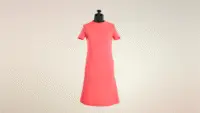
Babydoll dress
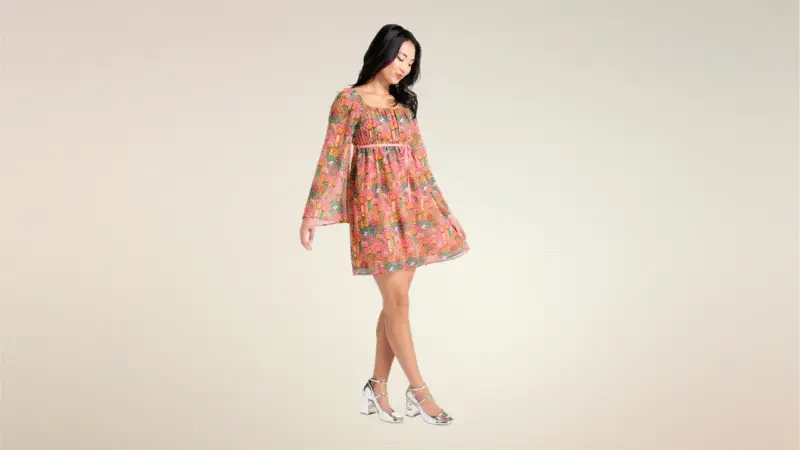
When and where was this item first created, and what practical purpose did it serve?
The babydoll dress emerged in 1956 when designer Sylvia Pedlar created the original “Baby Doll” pajama set for the film of the same name starring Carroll Baker. Pedlar designed a short, empire-waisted nightgown that sat just below the bust with a flowing A-line silhouette. The practical purpose was to create sleepwear that appeared both innocent and subtly provocative for the controversial film.
Fashion designer Betsey Johnson later adapted this silhouette for daywear in the early 1960s, creating mini-length dresses with the same high waistline and loose, swing shape. The timing coincided perfectly with the youth rebellion against restrictive 1950s fashion. Young women embraced the babydoll dress because it offered freedom of movement while maintaining a youthful, playful aesthetic.
The dress served as a rebellion against the structured, corseted silhouettes their mothers wore. It allowed women to move naturally without the constraints of fitted bodices or pencil skirts. The name itself was deliberate provocation, suggesting both innocence and sexuality in a way that challenged conservative dress codes of the era.
Fashion designer Betsey Johnson later adapted this silhouette for daywear in the early 1960s, creating mini-length dresses with the same high waistline and loose, swing shape. The timing coincided perfectly with the youth rebellion against restrictive 1950s fashion. Young women embraced the babydoll dress because it offered freedom of movement while maintaining a youthful, playful aesthetic.
The dress served as a rebellion against the structured, corseted silhouettes their mothers wore. It allowed women to move naturally without the constraints of fitted bodices or pencil skirts. The name itself was deliberate provocation, suggesting both innocence and sexuality in a way that challenged conservative dress codes of the era.
What are the key design features and construction methods of this item?
The babydoll dress features an empire waistline that sits directly beneath the bust, creating a high-waisted silhouette that flows freely to a hemline that typically falls mid-thigh or shorter. The construction begins with a fitted bodice that ends just below the breast line, often secured with a tie, button closure, or built-in bra structure. From this high seam, the skirt portion falls in an unrestricted A-line or tent shape without darts or additional shaping.
Traditional construction uses lightweight fabrics like cotton voile, silk chiffon, or fine jersey that drape naturally without adding bulk. The neckline varies from simple scoop necks to more elaborate designs with ruffles, lace trim, or Peter Pan collars. Sleeves range from sleeveless to short puffed styles or long poet sleeves with gathered cuffs.
The key construction principle involves creating maximum fabric flow from the narrowest possible fitted section. Seaming is minimal to preserve the dress’s flowing movement. Hems are often finished with simple rolled edges or delicate lace trim.
Traditional construction uses lightweight fabrics like cotton voile, silk chiffon, or fine jersey that drape naturally without adding bulk. The neckline varies from simple scoop necks to more elaborate designs with ruffles, lace trim, or Peter Pan collars. Sleeves range from sleeveless to short puffed styles or long poet sleeves with gathered cuffs.
The key construction principle involves creating maximum fabric flow from the narrowest possible fitted section. Seaming is minimal to preserve the dress’s flowing movement. Hems are often finished with simple rolled edges or delicate lace trim.
What cultural movements and social contexts featured this item?
The babydoll dress became central to the 1960s Mod movement, representing youth rebellion against restrictive adult fashion norms. British model Twiggy popularized the style internationally, wearing ultra-short babydoll dresses that shocked conservative audiences but inspired young women globally. The dress perfectly embodied the decade’s youth culture revolution, allowing teenagers to dress distinctly from their mothers.
Fashion photographer David Bailey frequently shot models in babydoll dresses for Vogue, cementing the style’s association with London’s Swinging Sixties scene. The garment became controversial in schools and workplaces where dress codes struggled to adapt to the dramatically shorter hemlines. College campuses banned the style, making it even more desirable among students.
The dress represented sexual liberation without overt sexuality, creating a paradox that fascinated fashion critics. Designer Mary Quant embraced the babydoll silhouette for her boutique on King’s Road, making it accessible to working-class youth. The style crossed into counterculture movements, with hippie variations featuring longer lengths and bohemian fabrics.
Fashion photographer David Bailey frequently shot models in babydoll dresses for Vogue, cementing the style’s association with London’s Swinging Sixties scene. The garment became controversial in schools and workplaces where dress codes struggled to adapt to the dramatically shorter hemlines. College campuses banned the style, making it even more desirable among students.
The dress represented sexual liberation without overt sexuality, creating a paradox that fascinated fashion critics. Designer Mary Quant embraced the babydoll silhouette for her boutique on King’s Road, making it accessible to working-class youth. The style crossed into counterculture movements, with hippie variations featuring longer lengths and bohemian fabrics.
Is this item still produced today, and how has it evolved over time?
Contemporary fashion continues producing babydoll dresses with significant evolution from the original 1960s design. Modern versions typically feature longer hemlines, falling at or below the knee rather than mid-thigh, adapting to current modesty standards while maintaining the characteristic empire waistline. Today’s babydoll dresses incorporate stretch fabrics unknown in the 1960s, including modal blends and technical knits that provide comfort while preserving the flowing silhouette.
High-end designers like Marc Jacobs and Anna Sui regularly include babydoll elements in their collections, often combining the classic shape with contemporary details like laser-cut edges or digital prints. Fast fashion retailers mass-produce accessible versions in polyester and cotton blends, making the style available at multiple price points. Modern construction often includes built-in bra cups and adjustable straps, addressing practical concerns that original versions ignored.
The dress has found new life in maternity wear, where the empire waistline provides comfort and style for expecting mothers. Sustainable fashion brands now create babydoll dresses using organic cotton and eco-friendly dyes, appealing to environmentally conscious consumers while maintaining the classic aesthetic.
High-end designers like Marc Jacobs and Anna Sui regularly include babydoll elements in their collections, often combining the classic shape with contemporary details like laser-cut edges or digital prints. Fast fashion retailers mass-produce accessible versions in polyester and cotton blends, making the style available at multiple price points. Modern construction often includes built-in bra cups and adjustable straps, addressing practical concerns that original versions ignored.
The dress has found new life in maternity wear, where the empire waistline provides comfort and style for expecting mothers. Sustainable fashion brands now create babydoll dresses using organic cotton and eco-friendly dyes, appealing to environmentally conscious consumers while maintaining the classic aesthetic.
How do you identify authentic vintage versions of this item?
Authentic 1960s babydoll dresses feature specific construction details that distinguish them from modern reproductions. Original pieces use natural fiber fabrics including cotton batiste, silk crepe, or lightweight wool jersey with characteristic aging patterns showing slight yellowing in white fabrics and fading along stress points like the armholes and empire seam. Period construction shows French seams or pinked edges rather than serged finishes, with hand-finished hems using blind stitching or rolled edges.
Original zippers are metal with specific teeth patterns, positioned either at the center back or side seam, never invisible zippers which weren’t widely available until the 1970s. Authentic pieces show period-appropriate sizing, running smaller than modern standards with bust measurements typically 2-4 inches smaller than contemporary equivalents. Original labels include specific manufacturers like Betsey Johnson for Paraphernalia, Mary Quant’s Ginger Group, or department store house brands from Bloomingdale’s or Lord & Taylor.
Authentic pieces display characteristic wear patterns including slight stretching at the empire seam from the weight of the skirt portion and gentle fading at the hemline from walking abrasion. The fabric weight feels lighter than modern versions, as period pieces used finer, less substantial materials that created the desired ethereal movement.
Original zippers are metal with specific teeth patterns, positioned either at the center back or side seam, never invisible zippers which weren’t widely available until the 1970s. Authentic pieces show period-appropriate sizing, running smaller than modern standards with bust measurements typically 2-4 inches smaller than contemporary equivalents. Original labels include specific manufacturers like Betsey Johnson for Paraphernalia, Mary Quant’s Ginger Group, or department store house brands from Bloomingdale’s or Lord & Taylor.
Authentic pieces display characteristic wear patterns including slight stretching at the empire seam from the weight of the skirt portion and gentle fading at the hemline from walking abrasion. The fabric weight feels lighter than modern versions, as period pieces used finer, less substantial materials that created the desired ethereal movement.