
Ballet flats
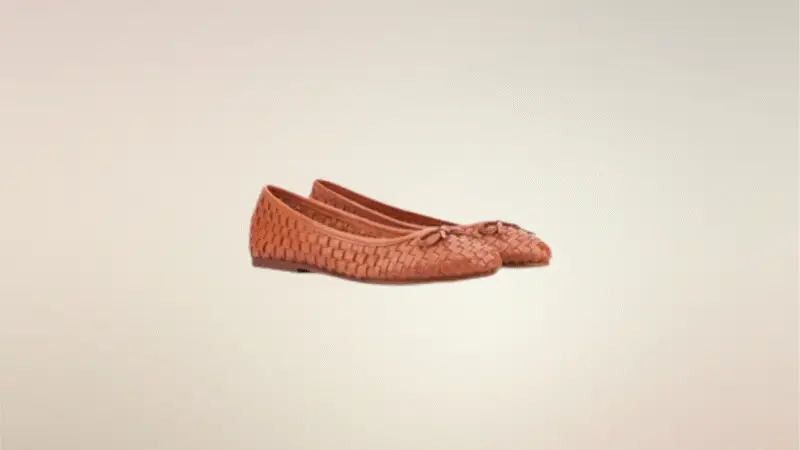
When and where was this item first created, and what practical purpose did it serve?
Ballet flats emerged in 1941 when French shoemaker Rose Repetto created the first pair for her son Roland Petit, a ballet dancer who needed lightweight shoes for rehearsals. The design solved a practical problem: dancers required footwear that provided the flexibility of bare feet while protecting against rough studio floors. Repetto’s innovation used soft leather that molded to the foot’s shape, creating an almost second-skin effect.
The shoe’s construction borrowed directly from pointe shoe techniques, using thin leather soles and flexible upper materials that allowed natural foot movement. Within months, Parisian dancers adopted these shoes not just for rehearsals but for street wear, appreciating their comfort during long days of training. The timing proved crucial as wartime leather rationing made elaborate footwear impractical.
These simple slippers required minimal materials while delivering maximum functionality. By 1943, Rose Repetto had established her workshop at 22 rue de la Paix, where she continued refining the design. The original ballet flat represented a revolutionary departure from structured women’s footwear, introducing the concept that shoes could enhance rather than constrain natural foot movement.
The shoe’s construction borrowed directly from pointe shoe techniques, using thin leather soles and flexible upper materials that allowed natural foot movement. Within months, Parisian dancers adopted these shoes not just for rehearsals but for street wear, appreciating their comfort during long days of training. The timing proved crucial as wartime leather rationing made elaborate footwear impractical.
These simple slippers required minimal materials while delivering maximum functionality. By 1943, Rose Repetto had established her workshop at 22 rue de la Paix, where she continued refining the design. The original ballet flat represented a revolutionary departure from structured women’s footwear, introducing the concept that shoes could enhance rather than constrain natural foot movement.
What are the key design features and construction methods of this item?
Ballet flats feature several distinctive construction elements that separate them from other flat shoes. The upper consists of soft, supple leather that wraps around the foot like a glove, creating minimal bulk or stiffness. Traditional ballet flats use a single piece of leather for the vamp, eliminating seams that could create pressure points during movement.
The sole remains extremely thin, typically 2-3 millimeters of leather, allowing dancers to feel the floor beneath their feet for better balance and control. The heel construction uses a small leather pad rather than a built-up heel, maintaining the foot’s natural alignment. Authentic ballet flats employ a technique called “turned construction,” where the shoe is sewn inside-out then turned right-side-out, creating smooth interior seams.
The throat line cuts extremely low, often extending below the foot’s natural bend point to prevent restriction during pointing movements. Elastic bands or ribbons originally secured the shoes, though later versions incorporated elastic goring for easier wear. The toe box remains unstructured, allowing toes to spread naturally unlike rigid dress shoes.
The sole remains extremely thin, typically 2-3 millimeters of leather, allowing dancers to feel the floor beneath their feet for better balance and control. The heel construction uses a small leather pad rather than a built-up heel, maintaining the foot’s natural alignment. Authentic ballet flats employ a technique called “turned construction,” where the shoe is sewn inside-out then turned right-side-out, creating smooth interior seams.
The throat line cuts extremely low, often extending below the foot’s natural bend point to prevent restriction during pointing movements. Elastic bands or ribbons originally secured the shoes, though later versions incorporated elastic goring for easier wear. The toe box remains unstructured, allowing toes to spread naturally unlike rigid dress shoes.
What cultural movements and social contexts featured this item?
The Neoclassical ballet movement of the 1940s provided the cultural foundation for ballet flats’ development. This artistic philosophy, championed by choreographer George Balanchine, emphasized clean lines, technical precision, and stripped-down aesthetics that rejected the elaborate romanticism of earlier ballet periods. Neoclassical dance required footwear that wouldn’t interfere with the body’s natural lines or movement quality.
French cultural resistance during World War II also influenced the ballet flat’s adoption. As Parisians faced material shortages and sought practical alternatives to rationed goods, these simple shoes represented both rebellion against German restrictions and connection to French artistic heritage. The existentialist movement emerging in 1940s Paris embraced ballet flats as symbols of intellectual freedom and rejection of bourgeois formality.
Writers and philosophers frequented Left Bank cafés wearing these unpretentious shoes, establishing them as markers of artistic authenticity. Post-war reconstruction efforts in France promoted practical, well-designed objects that served multiple purposes efficiently. Ballet flats embodied this philosophy perfectly, transitioning seamlessly from dance studios to daily life.
French cultural resistance during World War II also influenced the ballet flat’s adoption. As Parisians faced material shortages and sought practical alternatives to rationed goods, these simple shoes represented both rebellion against German restrictions and connection to French artistic heritage. The existentialist movement emerging in 1940s Paris embraced ballet flats as symbols of intellectual freedom and rejection of bourgeois formality.
Writers and philosophers frequented Left Bank cafés wearing these unpretentious shoes, establishing them as markers of artistic authenticity. Post-war reconstruction efforts in France promoted practical, well-designed objects that served multiple purposes efficiently. Ballet flats embodied this philosophy perfectly, transitioning seamlessly from dance studios to daily life.
Is this item still produced today, and how has it evolved over time?
Ballet flats experienced a remarkable evolution from specialized dance footwear to mainstream fashion staples. Brigitte Bardot’s 1956 film appearances wearing Repetto ballet flats sparked international demand, transforming them from functional dance shoes into symbols of effortless French chic. American manufacturers began producing versions in the late 1950s, though often with thicker soles and stiffer construction that compromised the original’s flexibility.
The 1960s saw ballet flats become essential components of the preppy wardrobe, particularly after Audrey Hepburn wore them in multiple films throughout the decade. Modern production has maintained the basic silhouette while introducing synthetic materials, cushioned insoles, and varied heel heights that deviate from the original flat profile. Contemporary versions often feature decorative elements like bows, buckles, or metallic finishes that would have been impractical for dance use.
High-end fashion houses now produce luxury interpretations using exotic leathers and embellishments, commanding prices far exceeding the original’s modest cost. Despite these variations, several manufacturers including Repetto continue producing authentic versions using traditional construction methods. The fundamental appeal of ballet flats remains unchanged: they offer the rare combination of feminine aesthetics with practical comfort that accommodates modern women’s active lifestyles.
The 1960s saw ballet flats become essential components of the preppy wardrobe, particularly after Audrey Hepburn wore them in multiple films throughout the decade. Modern production has maintained the basic silhouette while introducing synthetic materials, cushioned insoles, and varied heel heights that deviate from the original flat profile. Contemporary versions often feature decorative elements like bows, buckles, or metallic finishes that would have been impractical for dance use.
High-end fashion houses now produce luxury interpretations using exotic leathers and embellishments, commanding prices far exceeding the original’s modest cost. Despite these variations, several manufacturers including Repetto continue producing authentic versions using traditional construction methods. The fundamental appeal of ballet flats remains unchanged: they offer the rare combination of feminine aesthetics with practical comfort that accommodates modern women’s active lifestyles.
How do you identify authentic vintage versions of this item?
Authentic vintage ballet flats from the 1940s-1960s display specific characteristics that distinguish them from modern reproductions. Genuine pieces use vegetable-tanned leather that develops a distinctive patina, becoming softer and more supple with age rather than cracking or stiffening. The leather typically shows natural grain patterns and slight imperfections that machine-processed modern leather lacks.
Original construction employs hand-stitched seams with cotton or linen thread, creating slightly irregular stitching lines unlike machine-perfect modern seams. Vintage soles show wear patterns consistent with the thin leather construction, developing holes or extreme thinness in high-pressure areas like the ball of the foot. Authentic pieces feature minimal or no branding, with early Repetto shoes showing only small interior stamps rather than prominent logos.
The color palette of vintage ballet flats remains limited to natural leather tones, black, or simple dyes that have faded unevenly over time. Modern reproductions often use synthetic materials that maintain uniform appearance and resist the characteristic aging patterns of genuine leather. Original elastic components show deterioration appropriate to their age, often requiring replacement after decades of use.
Original construction employs hand-stitched seams with cotton or linen thread, creating slightly irregular stitching lines unlike machine-perfect modern seams. Vintage soles show wear patterns consistent with the thin leather construction, developing holes or extreme thinness in high-pressure areas like the ball of the foot. Authentic pieces feature minimal or no branding, with early Repetto shoes showing only small interior stamps rather than prominent logos.
The color palette of vintage ballet flats remains limited to natural leather tones, black, or simple dyes that have faded unevenly over time. Modern reproductions often use synthetic materials that maintain uniform appearance and resist the characteristic aging patterns of genuine leather. Original elastic components show deterioration appropriate to their age, often requiring replacement after decades of use.